
Haunted House · Week 4 · Ghost · Pastor Chris Fluitt
How to Let Go of the Past and Move Forward With Jesus
Regret has a way of showing up uninvited. What if your past did not get the final word about your future?
When yesterday keeps showing up
The moment is over. The feeling isn’t.
You said something you wish you could take back. You missed an opportunity. Someone hurt you, and even after years have passed, you still brace yourself for it to happen again.
A song, a street, a name, a familiar situation: suddenly an old moment returns. You replay the conversation. You rehearse what you should have said. Maybe you feel shame over a decision you made. Maybe you carry the weight of something done to you. Sometimes you inherited a painful pattern you never chose.
Here’s the real problem: the past doesn’t merely stay in our memories. It can shape our present decisions. We expect rejection, so we pull back. We failed once, so we stop trying. We were betrayed, so we find it difficult to trust. We know we are living today, but we’re still responding to yesterday.
In this final Haunted House message, Pastor Chris Fluitt calls that lingering influence the ghost of the past. The Bible offers something better than hiding from the ghost or pretending it was never there. Jesus offers new life and a different future.
Message audio and free resources
Listen, reflect, and take a next step
Listen to the message
Pastor Chris Fluitt · First Christian Church of Allen · October 25, 2026
Listen to the full Ghost message from the Haunted House series. Pastor Chris shares biblical hope for letting go of regret, shame, and painful memories so you can move forward with Jesus.
Download the message resources
Use the printable handout to follow the Bible passages and make a practical plan. The preaching outline provides a deeper look at the sermon.
Part of the Haunted House series

Explore all four Haunted House messages: Zombie, Vampire, Werewolf, and Ghost. Discover practical biblical teaching about living on autopilot, navigating difficult relationships, breaking destructive habits, and letting go of the past. Each message offers honest questions, Scripture, and a next step toward Jesus.
1 / The Ghost of Egypt
Why does the past keep haunting us?
Israel spent generations enslaved in Egypt. They endured forced labor and lost control over their futures. Then God heard their cries. Moses stood before Pharaoh, plagues came, and eventually Israel escaped. In Exodus 14, the Egyptian army chased them toward the Red Sea. The people were trapped between an army and the water, with no human way through.
But God made a way. The waters parted, Israel crossed on dry ground, and the pursuing army was defeated. Exodus 14:30 declares that the Lord saved Israel that day. In Exodus 15, the people celebrated with music and worship. Egypt no longer held them in physical slavery.

Yet leaving Egypt did not mean every influence of Egypt immediately disappeared. Fear, distrust, and the temptation to retreat still traveled with them. Numbers 14:4 records the people’s astonishing response to trouble: they wanted to choose a leader and return to Egypt.
Think about that. They were free, yet they were tempted to return to what had enslaved them. A familiar prison can sometimes feel less frightening than an unfamiliar future. The same thing happens when we fall back into old relationships, defensive habits, self-talk, and unhealthy patterns.
The ghost of Egypt is not only something that happened. It’s the old voice that keeps trying to tell us who we are. It may say, “You’ll never change,” “You’re not wanted,” or “It’s safer to go back.” But an old voice does not have the authority to write your future.
What happened at Gilgal?
There is a remarkable gap in Israel’s story. God delivered the people from Egypt at the Red Sea, and decades later, the next generation crossed the Jordan River into the land God had promised. They camped at Gilgal. There the Lord declared, in Joshua 5:9, that he had rolled away the reproach of Egypt from them. Gilgal’s name is associated with the idea of rolling.

Why did God mention Egypt so many years later? The visible threat had ended at the sea, but Israel was still learning what it meant to live as God’s people, rather than as people defined by slavery. At Gilgal, God confronted the old reproach.
The distinction is important. God can change your circumstances, and you may still have healing and growth ahead. A relationship can end, but the wounds may remain. You can receive forgiveness and still need to learn how to live without constant self-condemnation. Freedom is not pretending nothing happened. It’s allowing God to shape what happens next.
2 / Two crossings
Coming out is not the same as moving forward

The Red Sea and Jordan River represent two different moments in Israel’s history. At the Red Sea, God brought the people out of slavery. At the Jordan, he brought them into the land of promise. One crossing was deliverance. The other was a step toward the future God had prepared.
We often focus on what we want to leave: guilt, bitterness, destructive relationships, a habit, or a label someone placed on us. That’s essential. But what are we moving toward? Healthier relationships? Honest conversations? A faithful way of living? A new willingness to trust and obey Jesus?

Someone can stop an unhealthy pattern and still feel unsure what to do next. If you used to avoid difficult conversations, your next step might be learning to speak with both truth and kindness. If you inherited family anger, your next step might be apologizing, seeking help, and practicing a different response. If you have been ashamed for years, your next step might be telling a trusted person the truth.
What haunted us does not have to be what we hand down.
Sometimes the patterns we carry were handed to us: fear, addiction, prejudice, harsh words, secrecy, or a belief that nothing can change. You did not necessarily create the ghost, but with God’s help you can choose not to pass it on. The goal is not simply escaping yesterday. It’s stepping into new obedience today.
3 / What Jesus offers
New birth. New identity. A renewed mind.
Jesus offers a new birth (John 3:3)
Jesus told Nicodemus that a person must be born again to see the kingdom of God. Your first birth placed you into a family, history, culture, and set of circumstances you could not choose. But Jesus offers spiritual life that is not limited by those beginnings. You cannot go back and choose a different childhood. You can respond to his invitation today.
Jesus gives a new identity (2 Corinthians 5:17)
Paul writes that anyone in Christ is a new creation. This does not erase every consequence of the past, nor does it mean healing is always instant. It does mean your deepest identity no longer has to be “failure,” “rejected,” “addicted,” or “the person who was hurt.” Your identity can be grounded in Jesus. You belong to him, and you can learn to live from that truth.
God renews the way we think (Romans 12:2)
Old experiences can train us to expect rejection or disaster. Romans 12:2 points toward transformation through the renewing of our minds. That happens as we bring our assumptions into the light of Scripture, practice new responses, worship, pray, and walk with people who tell us the truth in love. Counseling or recovery support can be an important part of that process when trauma or addiction is involved.
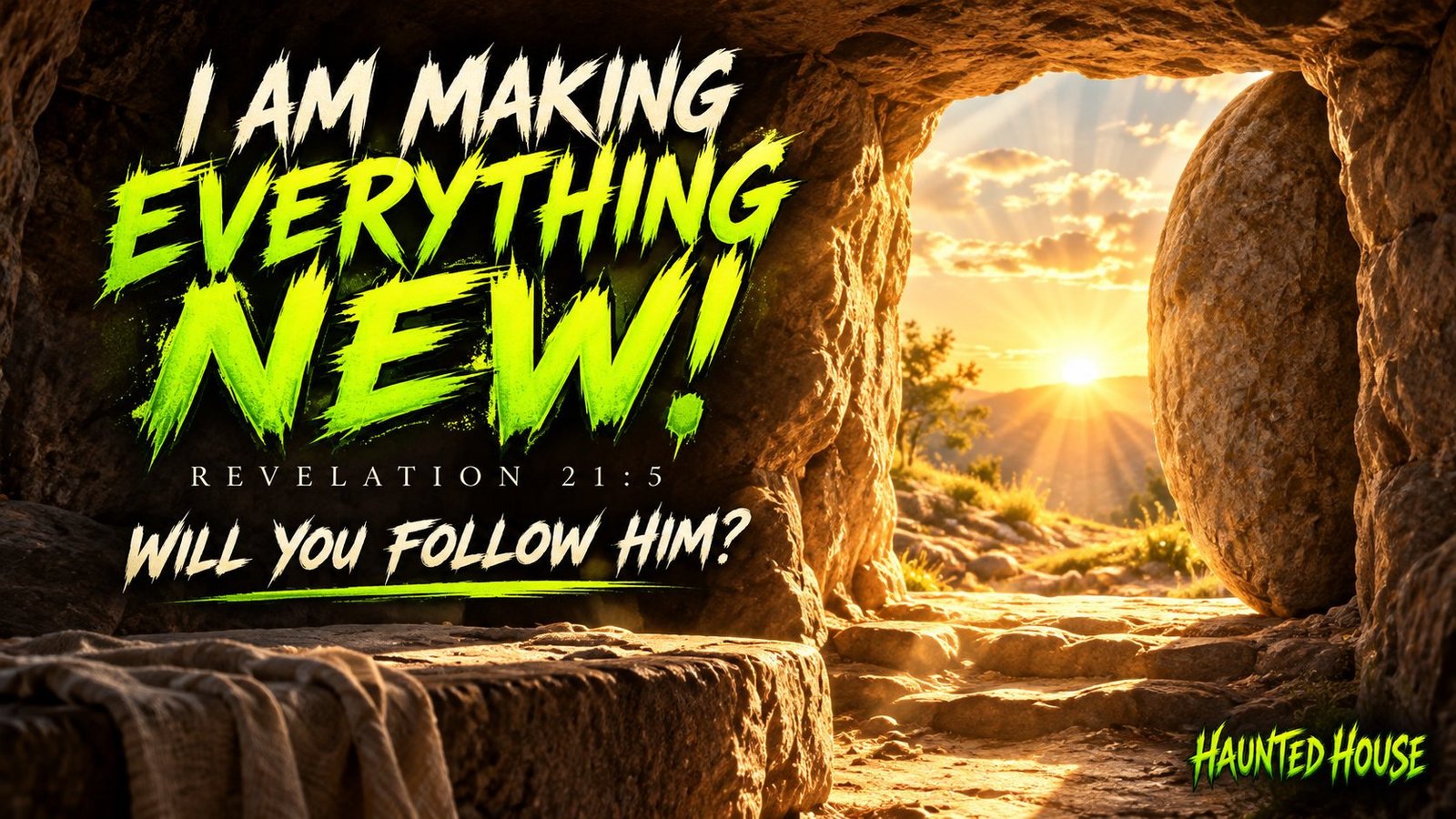
Revelation 21:5 brings the promise into focus: God is making everything new. That promise is not permission to deny what hurt you. It is hope that suffering, regret, and old labels will not have the final word.
4 / Your next steps
Three practical ways to move forward this week
1. Bring the past into the light
Identify one memory, regret, pattern, or old belief that is shaping your decisions today. Name it honestly. What happened? What are you telling yourself about it? What does Scripture say about that belief? You can begin with prayer: “Jesus, I don’t want this to keep controlling the way I live.”
2. Break the silence and start a conversation
Choose someone wise and trustworthy: a mature Christian friend, pastor, counselor, or recovery sponsor. A conversation may be the next step toward healing. You don’t have to tell your entire story to everyone, and forgiveness does not require placing yourself back into an unsafe situation. You can seek healing while maintaining appropriate boundaries.
3. Take one Jordan River step
Choose one concrete action that reflects your new direction. Make the call. Join a group. Ask for help. Write a truthful response to an old accusing thought. Take one small action that moves you toward Jesus rather than back into the same pattern. An entire life can change through faithful next steps repeated over time.
Questions to write down: What old voice still influences my decisions? Who can I talk with about it? What step of faith will I take this week instead of staying stuck?
Stop following your ghosts. Start following Jesus.

Free reflection resource
The Haunted House Field Guide
Which monster is showing up in your life? This free guide helps you name patterns, ask honest questions, engage with Scripture, and take a practical next step. It is more than a download: it’s a way to keep the conversation going.
Questions people really ask
Questions about regret, faith, and starting again
How do I let go of the past when I can’t forget it?
Letting go does not require erasing a memory. It means refusing to let it dictate every decision. Name what happened, process it with trusted support, bring your beliefs about it before God, and take a small faithful step in the present. For serious trauma, professional care may be helpful.
What does the Bible say about regret?
The Bible treats wrongdoing seriously, but it does not insist that regret become your permanent identity. Confession, repentance, forgiveness, and change belong together. 2 Corinthians 5:17 points toward new creation in Christ, and Romans 12:2 describes a renewed way of thinking.
Why does an old hurt still affect me?
Our experiences shape what we expect from people and situations. A betrayal may make trust difficult; a harsh upbringing can make criticism frightening. Recognizing the pattern is not weakness. It creates an opportunity to seek healing, practice healthy boundaries, and respond differently.
Does being a new creation mean my problems disappear?
No. New life in Jesus gives a new identity and direction. Some consequences, habits, and emotional wounds take time to work through. God often works through community, prayer, learning, accountability, and, when needed, qualified professional care.
What does it mean to renew my mind in Romans 12:2?
Renewing your mind means testing old assumptions against God’s truth and learning new responses. Rather than automatically believing “I will always fail,” you can recognize that thought, remember what is true in Christ, and choose an action consistent with faith.
How can I forgive without going back to an unsafe relationship?
Forgiveness and reconciliation are not identical. Forgiveness can involve releasing vengeance and entrusting justice to God; reconciliation requires safety, truth, responsibility, and rebuilt trust. You can forgive while keeping a necessary boundary.
Can unhealthy family patterns really change?
Yes, though change may take practice and support. You can notice repeated anger, secrecy, avoidance, or fear and choose healthier responses. Romans 12:2 and the story of Israel entering a new future encourage us not to assume the past determines everything.
Why did God roll away the reproach of Egypt at Gilgal?
In Joshua 5:9, God declares that Israel’s reproach associated with Egypt has been rolled away as the people establish themselves in the Promised Land. The passage helps illustrate that coming out of an old life and learning to live in a new one are related but distinct steps.
What if I’m unsure about following Jesus?
You can begin with an honest question. Read John 3 and the Gospels, ask someone you trust to explore the claims of Jesus with you, and pray honestly. FCC Allen welcomes real questions, including questions from people who are not sure what they believe.
Where can I find a welcoming church in Allen, Texas?
First Christian Church of Allen meets Sundays at 10:30 AM at 1207 Twin Creeks Drive in Allen, Texas, serving families and neighbors throughout Collin County. You can come as you are, ask questions, and find a practical next step toward Jesus. Visit our Plan Your Visit page for details.

A note from Pastor Chris
I’m glad you spent time with this message.
I’m Chris. I love hanging out with my wife and our four boys, playing jazz, and having conversations where people can finally say what they’re really thinking. Some of us carry old stories that are difficult to put into words. If that’s you, I would be glad to hear your question about faith, Jesus, or how to take a next step.
You don’t have to have everything figured out before starting a conversation.
Your next step can begin here
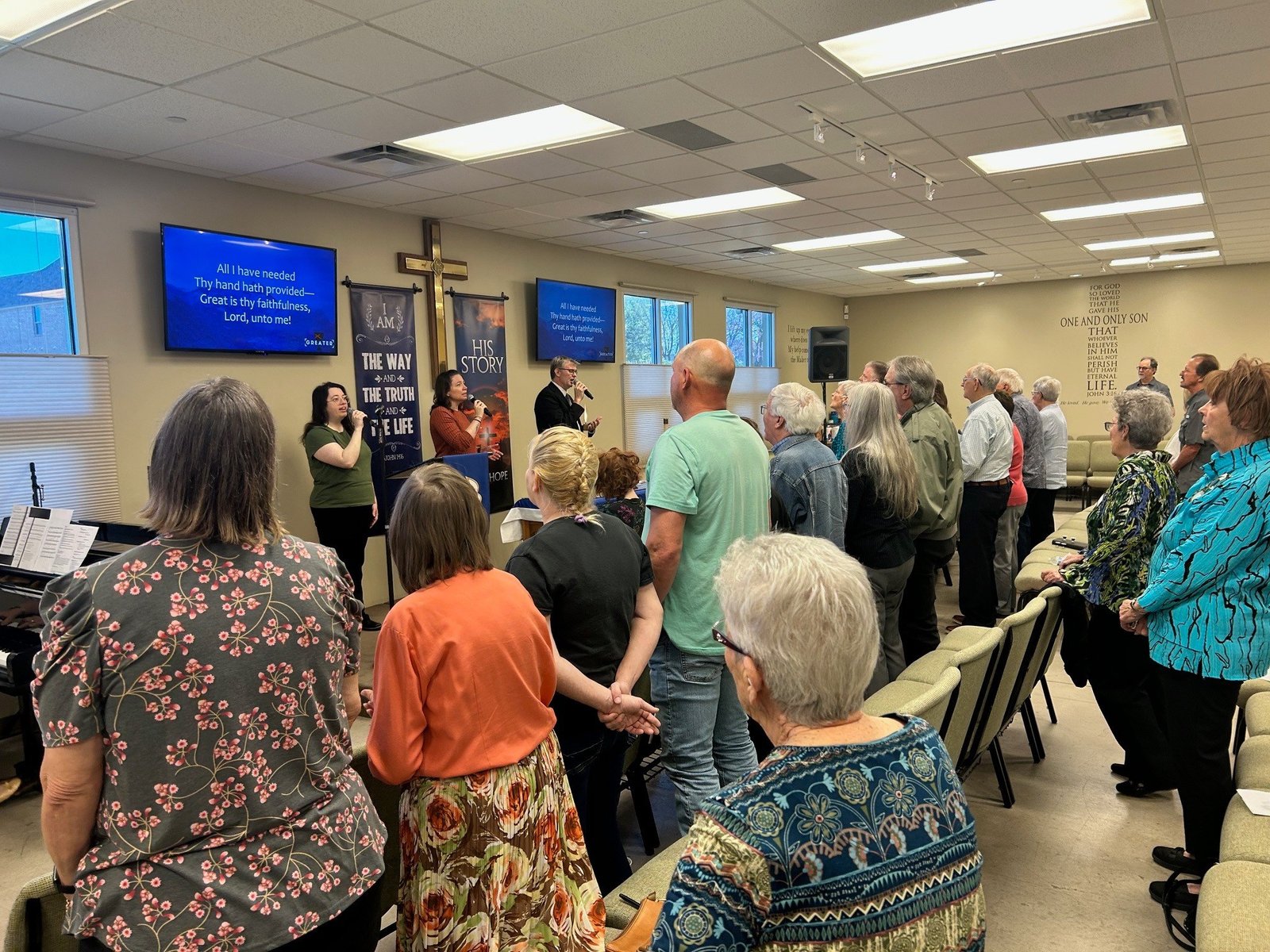
A church in Allen where you can bring your real story
You can ask difficult questions. You can meet people who want to know you. You can come as you are and take the next step toward Jesus at your own pace.
First Christian Church of Allen
Sunday worship at 10:30 AM
1207 Twin Creeks Drive
Allen, TX 75013

Our next series · Starts November 1, 2026
LEGACY CODE
What you live becomes what you leave.
Ghosts of the past do not have to become the patterns we pass forward. Discover biblical guidance for living with purpose, faith, and generosity, and for leaving something better to the people who follow us.